Have you ever paused mid-sentence and wondered whether to write undecisive or indecisive? You are not alone. This small spelling doubt causes big confusion for students, writers, bloggers, and professionals every day. Many people search this keyword because both spellings look correct, sound similar, and appear in casual writing online. The problem starts when one version feels right, but grammar tools flag it as wrong.
This confusion matters more than people think. Using the wrong spelling in emails, resumes, academic work, or SEO content can hurt credibility and clarity. Readers may question your expertise, even if your message is strong. That is why users want a fast answer, a clear meaning, and expert guidance in one place.
This article solves that confusion fully. You will learn the correct spelling, the real meaning, why people use the wrong word, and how English rules created this mix-up. You will also see real-life examples, common mistakes, Google usage trends, and simple advice on which spelling you should use. By the end, you will never hesitate again.
Undecisive / Indecisive
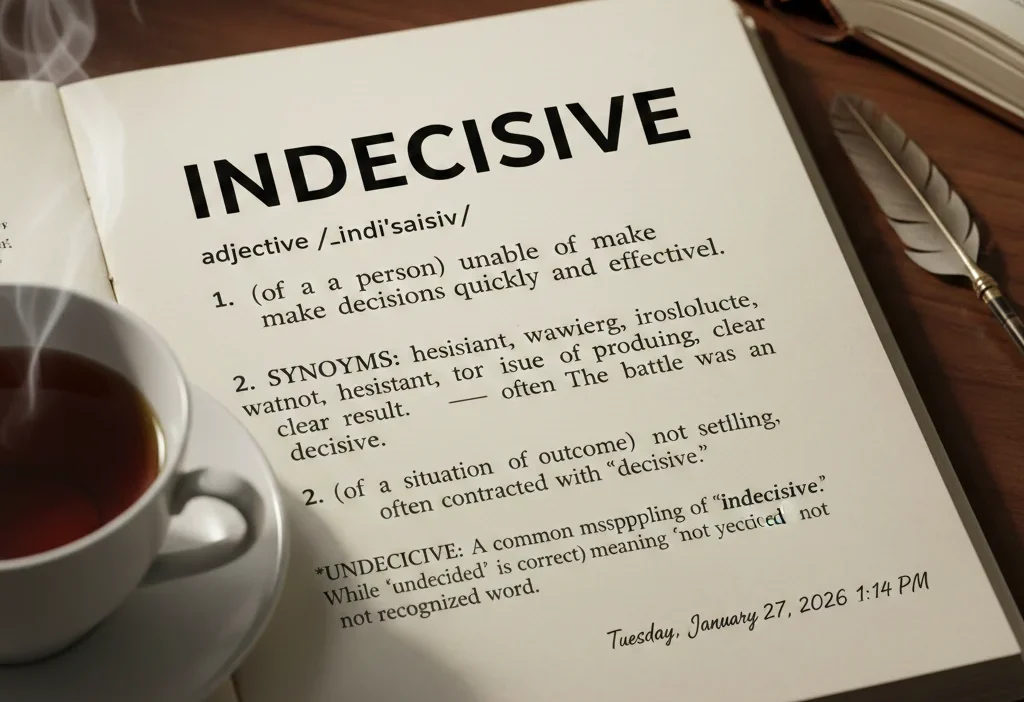
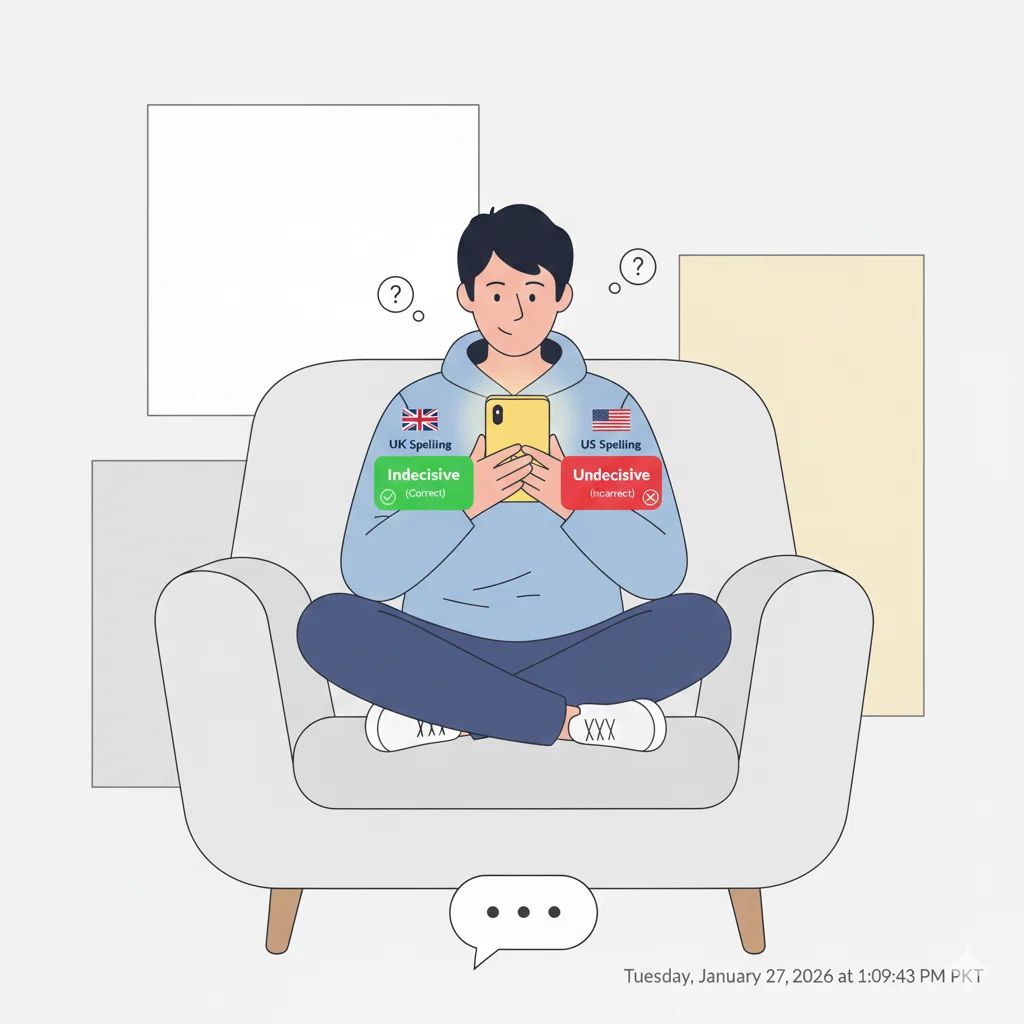
Indecisive is the correct word. Undecisive is not a standard English word.
The word indecisive describes a person who finds it hard to make decisions. For example, an indecisive person may struggle to choose a meal, a career path, or even simple daily options.
Many people ask, “Is undecisive a word?” The short answer is no. While undecisive appears in informal speech and online posts, it is considered incorrect in standard English. Dictionaries recognize only indecisive.
Undecisive indecisive meaning confusion exists because English often uses the prefix un-. However, in this case, the correct prefix is in-.
Example:
✔ She is indecisive about changing jobs.
✘ She is undecisive about changing jobs.

The Origin of Undecisive / Indecisive
The word indecisive comes from the Latin word indecisus, meaning “not decided.” It entered English in the 17th century through French and academic usage. The prefix in- means “not,” and decisive relates to making a firm choice.
So, indecisive literally means not able to decide.
The spelling confusion exists because English has two negative prefixes: in- and un-. People naturally assume undecisive follows the same pattern as uncertain or unhappy. However, English does not always follow logic. Words like indecisive, inactive, and inaccurate all use in-.
Over time, undecisive became common in speech but never became grammatically correct.
British English vs American English Spelling
There is no spelling difference between British and American English for this word. Both forms use indecisive only.
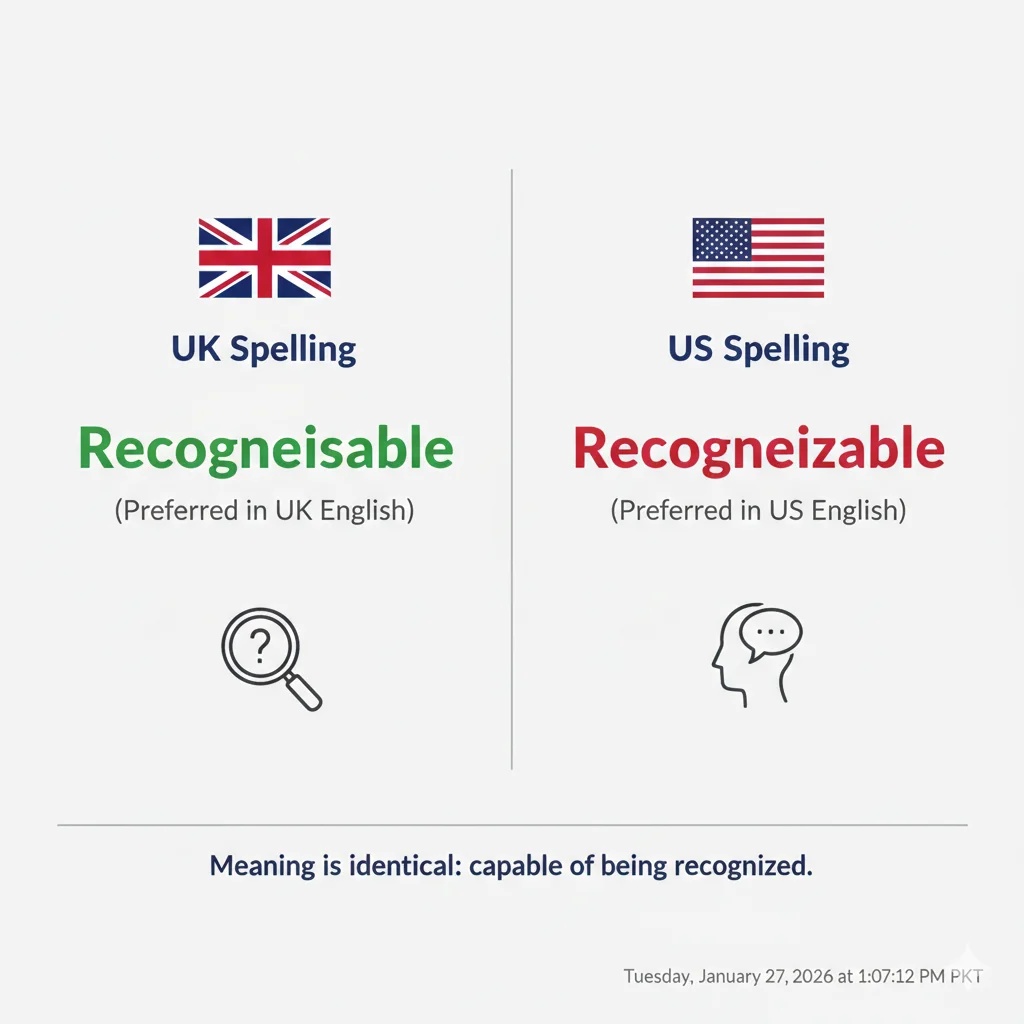
| Feature | British English | American English |
|---|---|---|
| Correct spelling | Indecisive | Indecisive |
| Accepted variant | None | None |
| “Undecisive” usage | Incorrect | Incorrect |
| Formal writing | Indecisive | Indecisive |
This makes the rule easy. No matter where you write, indecisive is always correct.
Which Spelling Should You Use?
You should always use “indecisive.”
• US audience: Indecisive
• UK and Commonwealth: Indecisive
• Global or SEO content: Indecisive
If you are writing blogs, resumes, emails, or academic papers, avoid undecisive completely. Search engines and grammar tools recognize indecisive as correct and may flag the other spelling as an error. Using the right word improves trust, readability, and professionalism.
Common Mistakes with Undecisive / Indecisive
Here are frequent errors and their corrections:
• ❌ Undecisive meaning → ✅ Indecisive meaning
• ❌ How do you spell undecisive? → ✅ Indecisive
• ❌ Undecisive person → ✅ Indecisive person
• ❌ Mixing both spellings → ✅ Use only indecisive
Another mistake is pronunciation confusion. Undecisive pronunciation is often guessed incorrectly because the word itself is wrong. The correct pronunciation is:
in-di-SY-siv
Undecisive / Indecisive in Everyday Examples

Emails:
“She seemed indecisive about the project deadline.”
News:
“The leader appeared indecisive during the crisis.”
Social media:
“I’m too indecisive to pick a movie tonight.”
Formal writing:
“An indecisive person may delay important strategic choices.”
These undecisive indecisive examples show how natural and common the correct word is across contexts.
Comparison Table
| Term | Correct | Meaning |
|---|---|---|
| Indecisive | Yes | Unable to decide |
| Undecisive | No | Incorrect form |
| Indecisive person | Yes | Person who hesitates |
| Undecisive meaning | No | Invalid phrase |
| Indecisive synonyms | Yes | Hesitant, unsure |
FAQs
1. Is undecisive a word?
No. Undecisive is not accepted in standard English.
2. What does being indecisive mean?
It means having difficulty making choices.
3. How do you spell undecisive correctly?
The correct spelling is indecisive.
4. What is a word for undecided decision?
Common options include uncertain, unresolved, or pending.
5. What is the opposite of being indecisive?
Decisive or confident.
6. Are there undecisive indecisive synonyms?
Yes. Hesitant, unsure, and wavering are common indecisive synonyms.
7. Does pronunciation change by region?
No. Indecisive is pronounced the same globally.
Conclusion
The confusion between undecisive and indecisive is common, but the rule is simple. Indecisive is the only correct word. The spelling undecisive may look logical, but it is grammatically wrong and not recognized by dictionaries or formal writing standards.
Understanding the origin of the word, its correct pronunciation, and its proper usage helps you write with confidence. Whether you are drafting an email, creating SEO content, or speaking professionally, choosing the right word protects your credibility.
An indecisive person is someone who struggles with choices, not someone who struggles with spelling. By using indecisive correctly, you show clarity, precision, and strong language control. Remember, English is not always intuitive, but once learned, it becomes effortless.
If you ever hesitate again, return to this rule: no “un,” only “in.” That one detail solves the entire problem.