
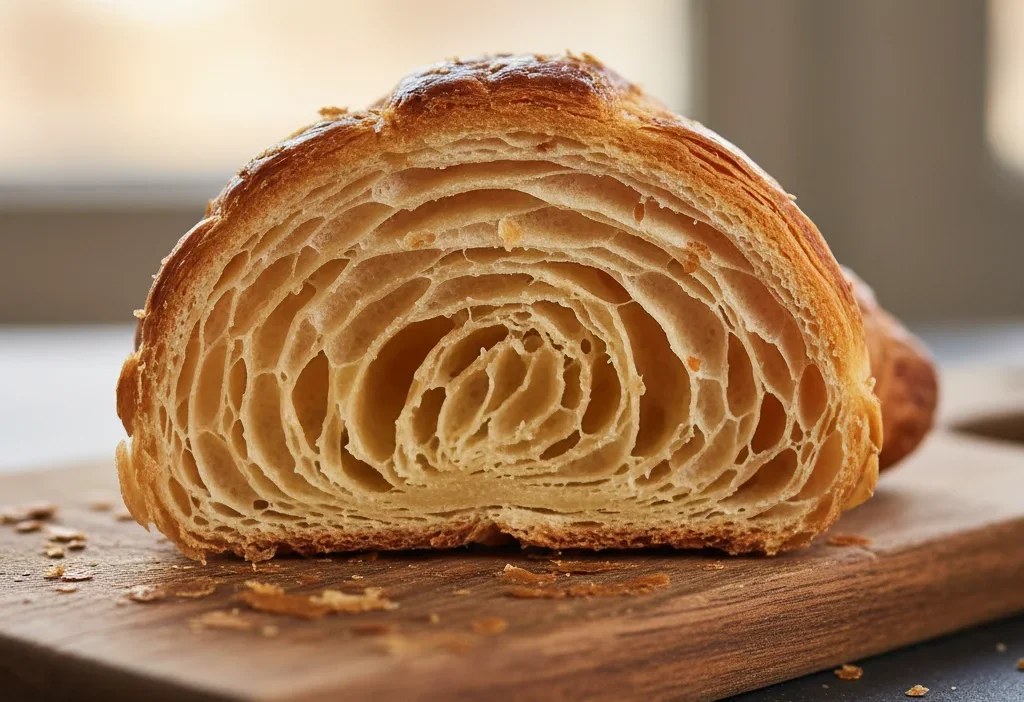
Many people get confused between flakey and flaky. These two words look almost identical, but only one is considered standard English. Using the wrong form can make writing or speech seem unprofessional. In this guide, you’ll learn the meaning, differences, correct usage, and examples of both words. By the end, even beginners will confidently know when to use “flaky” instead of “flakey,” avoiding common mistakes. Whether writing essays, sending texts, or chatting casually, this guide makes English simple and easy to remember.
What Does Each Word Mean?
Flakey
“Flakey” is often seen in informal writing, but it’s considered a misspelling or non-standard variant of “flaky.” It is rarely recommended in formal writing. People sometimes use it casually, but grammar experts prefer the correct form, flaky.
Examples:
- He is so flakey; he cancels plans at the last minute.
- That cake looks flakey on top.
- Don’t trust a flakey friend to help you move.
Flaky
“Flaky” is the correct, standard form. It is an adjective used to describe something crumbly, delicate, or unreliable.
Examples:
- This pie has a delicious, flaky crust.
- She can be a little flaky sometimes, so don’t rely on her entirely.
- My computer keeps freezing; it’s acting flaky today.
Quick Tip: Remember, flaky is always correct in formal writing.
The Key Difference Between Flakey and Flaky
| Feature | Flakey | Flaky |
|---|---|---|
| Standard English | ❌ Non-standard | ✅ Correct |
| Meaning | Informal variant of flaky | Crumbly, delicate, or unreliable |
| Usage Example | He’s a bit flakey. (informal) | He’s a bit flaky. (correct) |
| Part of Speech | Adjective | Adjective |
Quick Tip: If you want to be correct every time, just use flaky.
Common Mistakes and How to Avoid Them
Incorrect: My flakey pie fell apart.
Correct: My flaky pie fell apart.
Incorrect: Don’t rely on him; he’s flakey.
Correct: Don’t rely on him; he’s flaky.
Why the mistake happens: People often think “flakey” looks more logical or matches the pronunciation. Always choose flaky to avoid errors.
When to Use Flakey
Technically, flakey is not recommended, but it appears in informal texts or social media. Only use it when mimicking casual spelling.
Examples:
- That flakey cake didn’t hold together. (informal, not preferred)
- My flakey coworker forgot the meeting. (casual text)
- The flakey topping fell off the pizza. (chat message)
When to Use Flaky
Use flaky in almost every situation. It is safe, standard, and professional.
Examples:
- The croissant had a perfect, flaky texture.
- Stop being so flaky and meet me on time.
- Her laptop has been flaky all morning.
- The paint on the wall is flaky after the rain.
Memory Hack: Picture a flaky pastry or a person who flakes out—this visual makes it easy to remember the correct spelling.
Quick Recap: Flakey vs Flaky
- Flakey: Non-standard, informal spelling, rarely correct.
- Flaky: Correct, standard adjective.
- Usage Rule: Always use flaky in writing; flakey is only casual.
- Meaning: Crumbly, delicate, or unreliable.
- Tip: Think of pastry flakes to remember the correct form.
Advanced Tips
- Origin: Flaky comes from “flake,” meaning a thin, small piece of something.
- Formal Writing: Always use flaky in essays, exams, or business writing.
- Texting: “Flakey” may appear in messages, but avoid in professional contexts.
Mini Quiz
Fill in the blanks with flakey or flaky:
- The pie crust was __________ and buttery.
- Don’t rely on him; he’s too __________.
- My phone keeps acting __________ today.
- The topping on the cake is __________.
- That student is so __________, always forgetting homework.
FAQs
1. Is flakey correct English?
No, it is considered a non-standard variant of “flaky.”
2. What does flaky mean?
It means crumbly, delicate, or unreliable.
3. Can I use flakey in a text?
Yes, informally, but not in professional writing.
4. How to remember the correct spelling?
Think of flaky pastries or someone who “flakes out.”
5. Are there other words like flakey and flaky?
Yes, similar spelling errors include “gray vs grey” or “color vs colour.”
Conclusion
Now you know the difference between flakey and flaky. Flaky is always correct in writing, while flakey is informal and rarely recommended. With these tips, examples, and memory hacks, you can confidently use flaky in daily life, school, work, or casual chats. Keep practicing, and soon you’ll spot similar mistakes easily. Every small step improves your English, one word at a time!