Many people search for dependance / dependence because they see both spellings online and feel confused. One article uses dependence, another uses dependance, and suddenly even confident writers hesitate. Is one wrong? Is one British? Or does the meaning change?
This confusion appears in emails, medical texts, legal documents, and even everyday social media posts. Writers worry about correctness, professionalism, and SEO impact. A single spelling mistake can reduce trust, especially in formal or academic writing.
The problem is deeper than spelling. People also ask questions like “Is it dependance or dependence?”, “What is a dependance?”, and “Is it dependant or dependent in the UK?”. Others want to understand medical meanings, drug use definitions, or foreign language usage like dependence in French.
This article solves all of that. You will get a quick answer, clear history, simple rules, examples, mistakes to avoid, and expert-level guidance. By the end, you will know exactly which spelling to use, when to use it, and why it matters.
Dependance / Dependence
Dependence is the correct spelling in modern English.
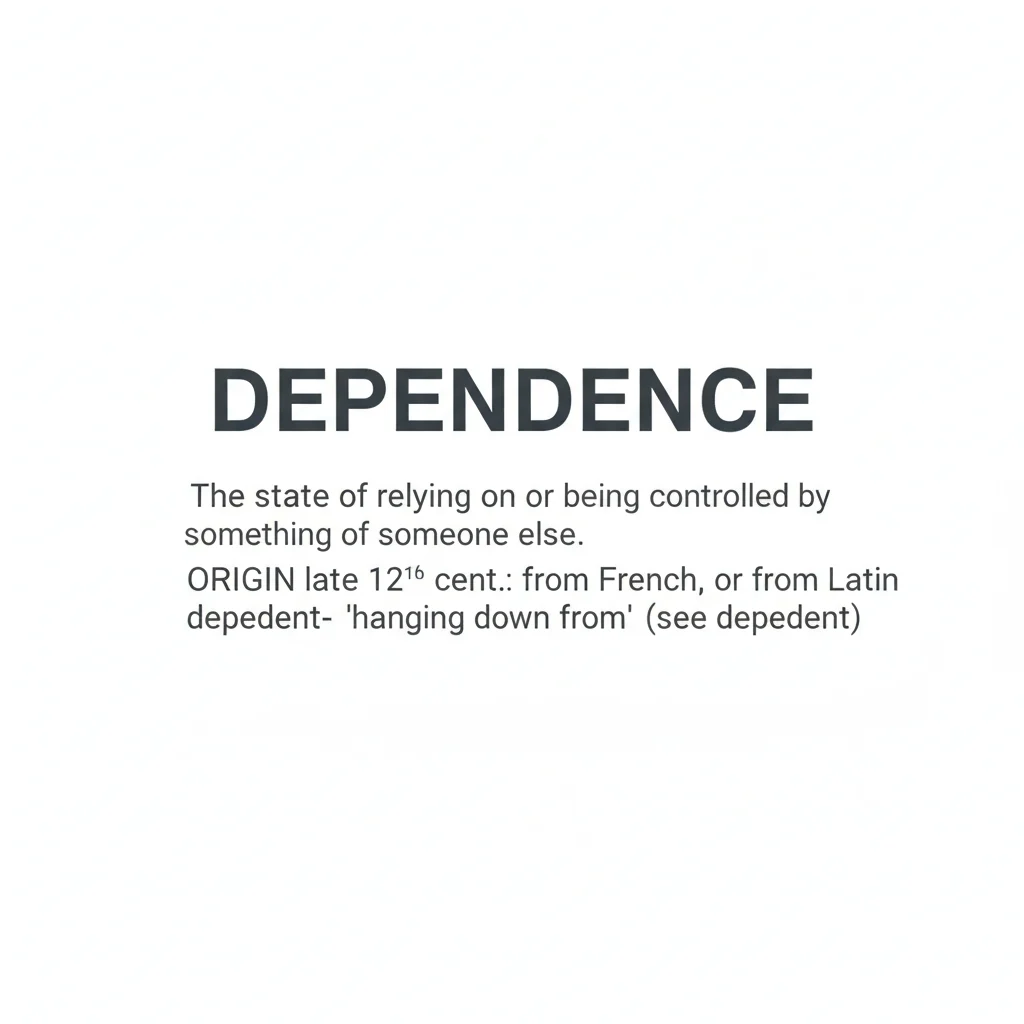
Dependance is rare and mostly appears in French or outdated texts. In everyday English writing, journalism, medicine, and academia, dependence is the accepted form.
Example:
- His success shows a strong dependence on teamwork.
- Drug dependence can affect mental health.
So, if you are asking “Is it dependance or dependence?”, the safe and correct choice is dependence.
The Origin of Dependance / Dependence
The word comes from the Latin dependere, meaning “to hang from” or “to rely on.” Over time, it moved into Old French as dépendance. From there, English adopted the word.
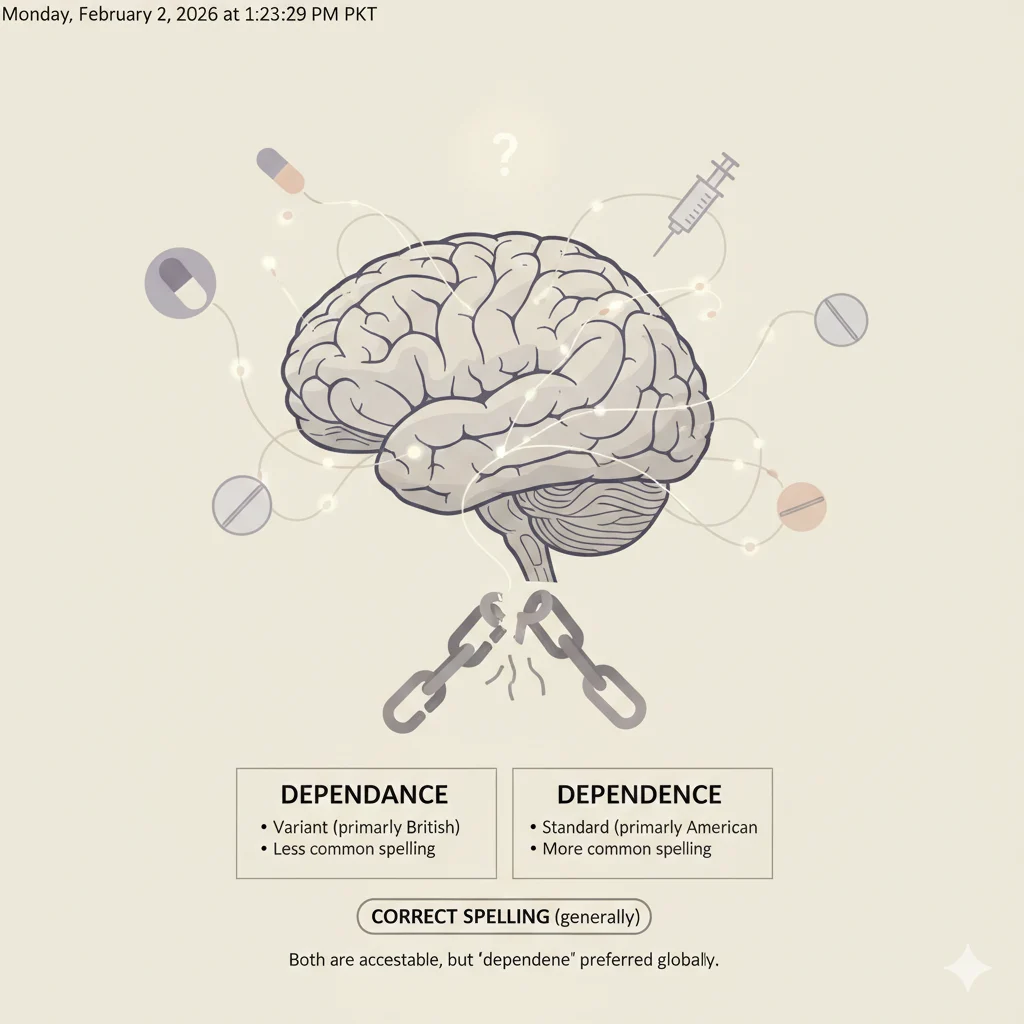
Early English used dependance in rare cases, influenced by French spelling. However, as English spelling became standardized, dependence became dominant.
Today:
- Dependence = English standard
- Dépendance = French usage
- Dependance = obsolete or incorrect in English
This explains why spelling differences exist and why confusion still happens.
British English vs American English Spelling
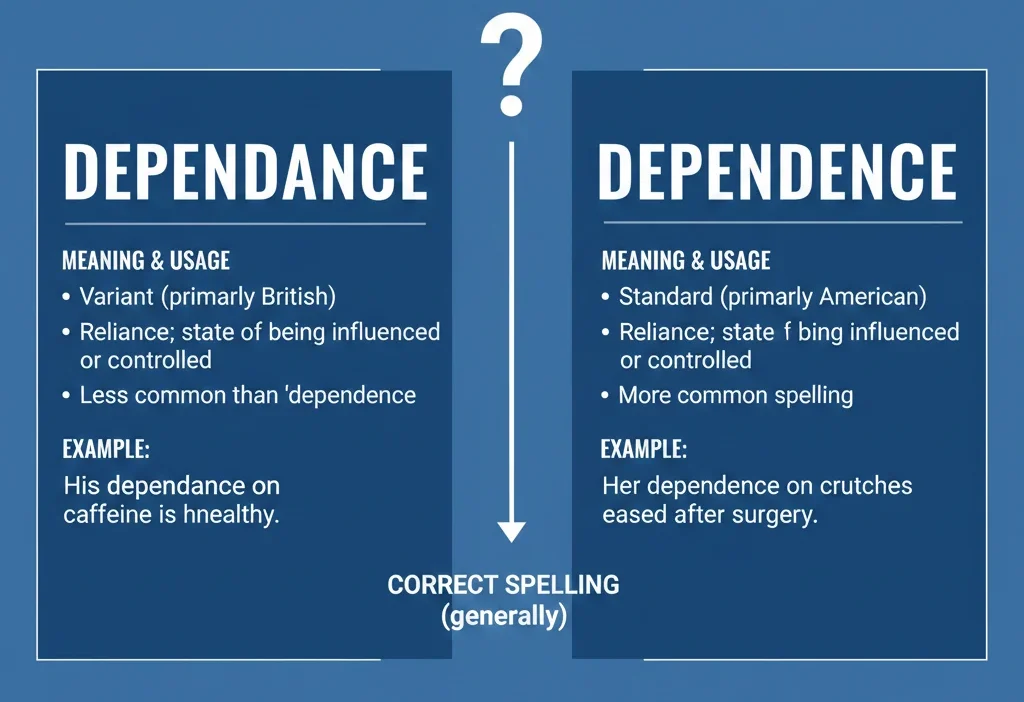
Both British English and American English use dependence. Unlike words such as colour vs color, this word does not change by region.
Comparison Table
| Feature | British English | American English |
|---|---|---|
| Correct spelling | Dependence | Dependence |
| Alternative form | Not used | Not used |
| Medical usage | Dependence | Dependence |
| Academic writing | Dependence | Dependence |
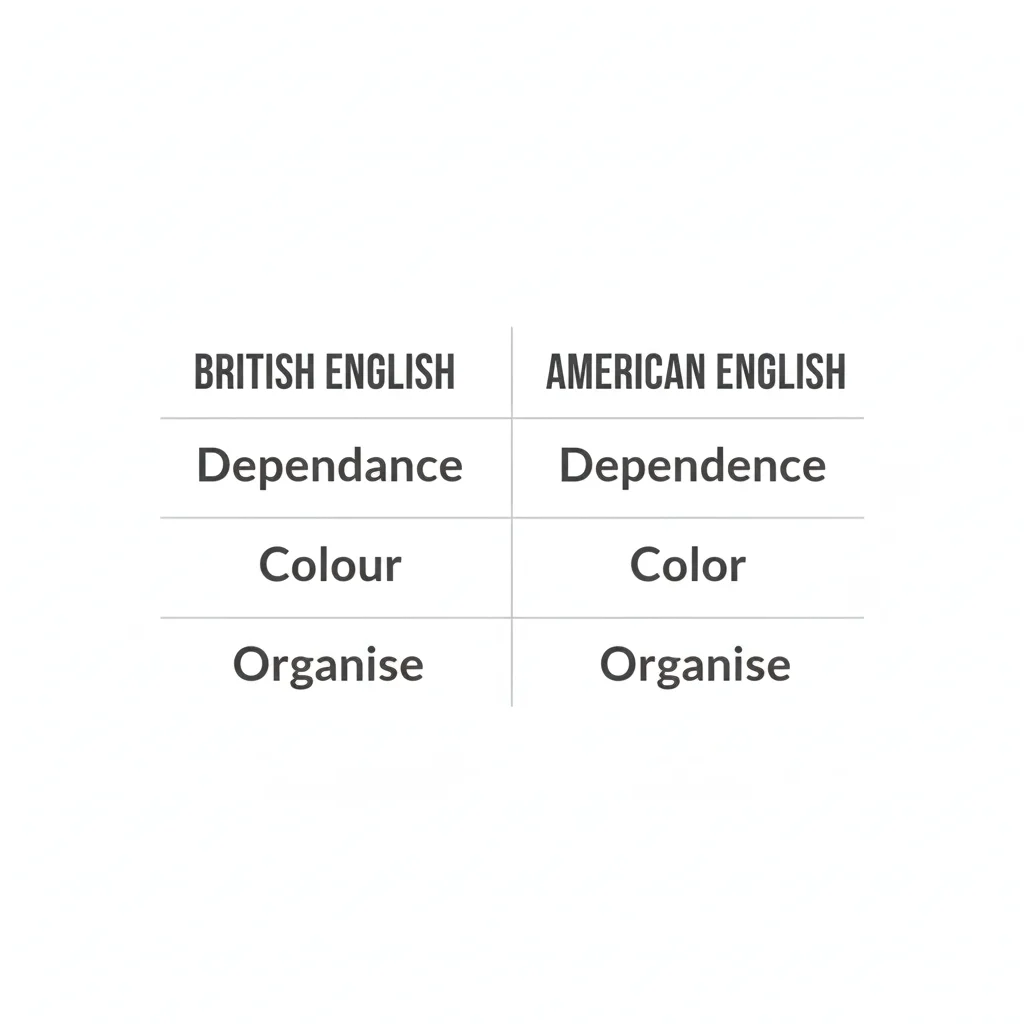
So if you wonder “Is it dependant or dependent in the UK?”, the rule is similar:
- Dependent = adjective or noun
- Dependant = mainly British noun, but dependence stays the same
Which Spelling Should You Use?
Use dependence in all English writing.
Audience-based advice
- US audience: Dependence
- UK & Commonwealth: Dependence
- Global or SEO content: Dependence
Only use dépendance when writing in French or referring to French property terms like dépendance house, which means an extra building on land.
Common Mistakes with Dependance / Dependence
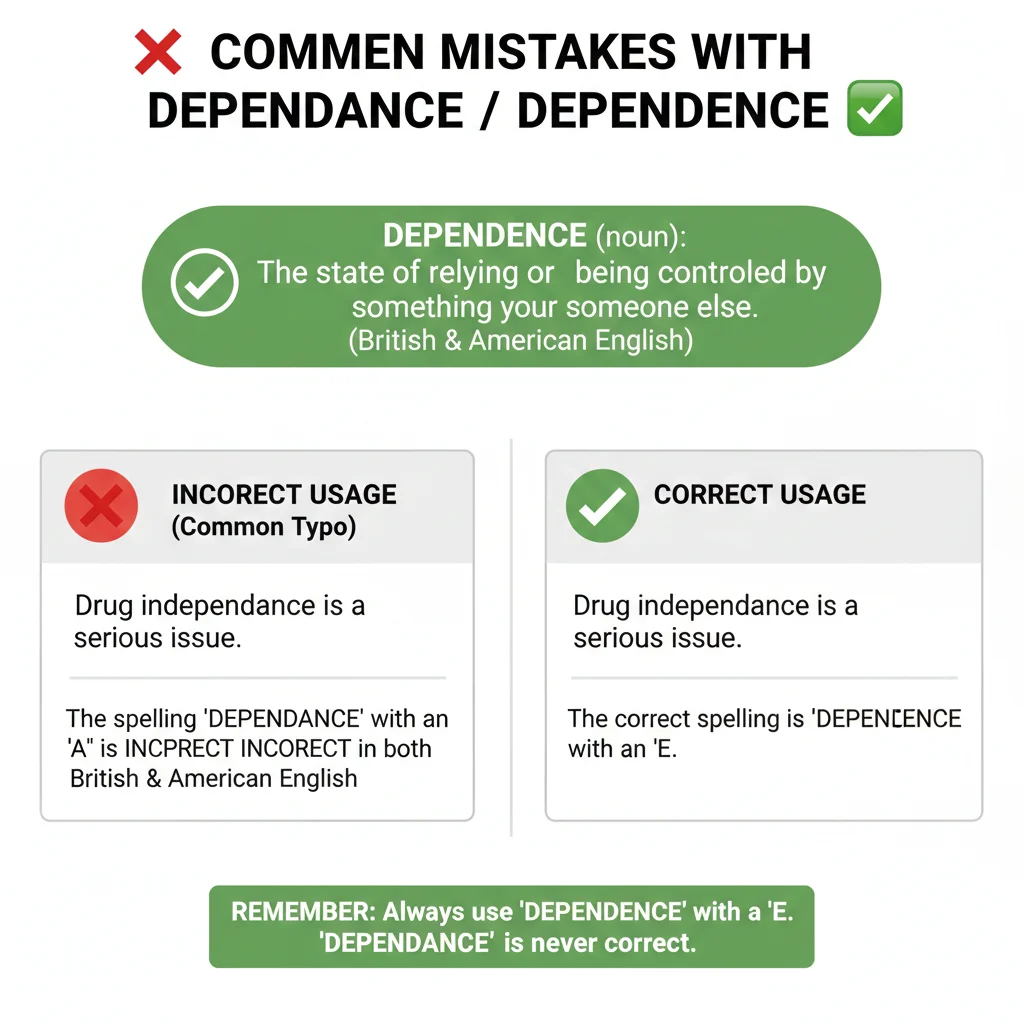
Here are frequent errors writers make:
- ❌ Writing dependance in English articles
- ❌ Mixing dependant and dependent incorrectly
- ❌ Confusing drug dependence with addiction
- ❌ Using plural forms wrongly
Corrections
- ✔ Dependence plural = dependences
- ✔ Dependence medical definition = reliance on a substance
- ✔ Dependence synonym = reliance, need, reliance on
Dependance / Dependence in Everyday Examples
Emails
- “Our project shows heavy dependence on client feedback.”
News
- “Economic dependence on imports has increased.”
Social Media
- “Too much phone dependence is unhealthy.”
Formal Writing
- “The patient shows signs of chemical dependence.”
Dependence in a sentence always shows reliance or need.
Dependance / Dependence – Google Trends & Usage Data
Search trends show dependence is widely used across:
- United States
- United Kingdom
- Canada
- Australia
Dependance appears mainly in:
- French searches
- Property terms
- Language learning queries
In medical and legal content, dependence dominates. Google favors this spelling for SEO and clarity.
Dependance / Dependence Comparison Table
| Term | Meaning | Correct Usage |
|---|---|---|
| Dependence | Reliance or need | ✔ English |
| Dependance | French-based form | ❌ English |
| Dépendance | French noun | ✔ French |
| Dependences | Plural form | ✔ English |
Frequently Asked Questions
1. What is a dependance?
A dependance is a French term meaning an extra building or annex.
2. What is use dependance?
It refers to reliance on a substance or behavior.
3. What is dependence medical definition?
A condition where the body relies on a drug to function.
4. What is dependance definition drugs?
In English, the correct term is drug dependence.
5. What is dependence in French?
It is written as dépendance.
6. Is dependence plural?
Yes, the plural form is dependences.
7. Is it dependant or dependent in the UK?
Dependent is correct for adjectives. Dependant is a noun in British English.
Conclusion
Understanding dependance / dependence is about clarity, correctness, and confidence. While both spellings appear online, only dependence is correct in modern English writing. It applies across British, American, and global contexts without change.
Writers often struggle because of French influence, outdated sources, or medical terminology confusion. Knowing the origin helps remove doubt. Whether you are writing an email, academic paper, SEO article, or medical document, dependence is the safe and professional choice.
Remember the key rules: use dependence for reliance, need, or medical contexts. Avoid dependance unless writing in French or discussing property terms like a dépendance house. Keep usage consistent, simple, and reader-friendly.
Clear spelling builds trust. Correct usage improves SEO. And now, you never have to second-guess this word again.

Marianne Solace is a lifestyle and personal-growth writer for WordContrast.com. Her work blends inspiration with practicality, offering thoughtful insights on wellness, creativity, and mindful living. When she’s not writing, Marianne enjoys journaling with a cup of coffee, exploring art museums, and helping others find balance through the written word.